The Best Companion Vegetables For Petunias
Title: The Best Companion Vegetables for Petunias
Introduction:
Petunias are beautiful flowers that can add a touch of color to any garden. They are also relatively easy to care for, making them a good choice for gardeners of all levels of experience.
One way to improve the health and beauty of your petunias is to plant them with companion vegetables. Companion planting is the practice of planting different types of plants together in order to benefit each other.
There are many different vegetables that can be companion plants for petunias. Some of the best include:
- Tomatoes: Tomatoes and petunias are both heavy feeders, so they benefit from being planted together. The petunias help to attract pollinators, which help to pollinate the tomatoes.
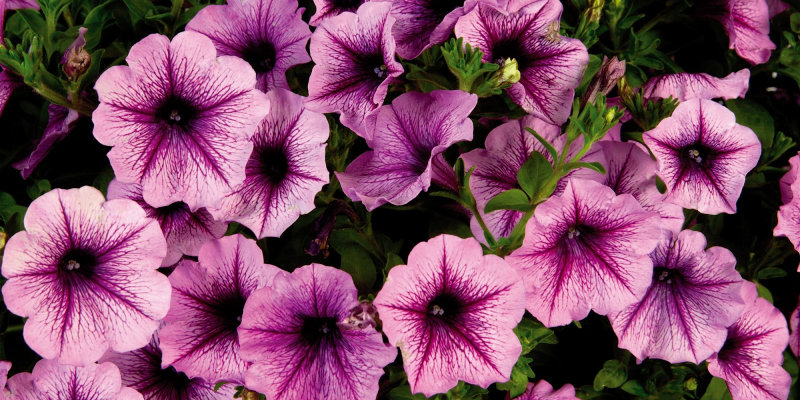
- Lettuce: Lettuce is a cool-season crop, so it can help to shade the petunias during the hot summer months. The petunias help to deter pests, such as aphids, from the lettuce.

- Strawberries: Strawberries and petunias both like full sun and well-drained soil. The petunias help to attract pollinators, which help to pollinate the strawberries.
- Blueberries: Blueberries and petunias both prefer acidic soil. The petunias help to attract pollinators, which help to pollinate the blueberries.
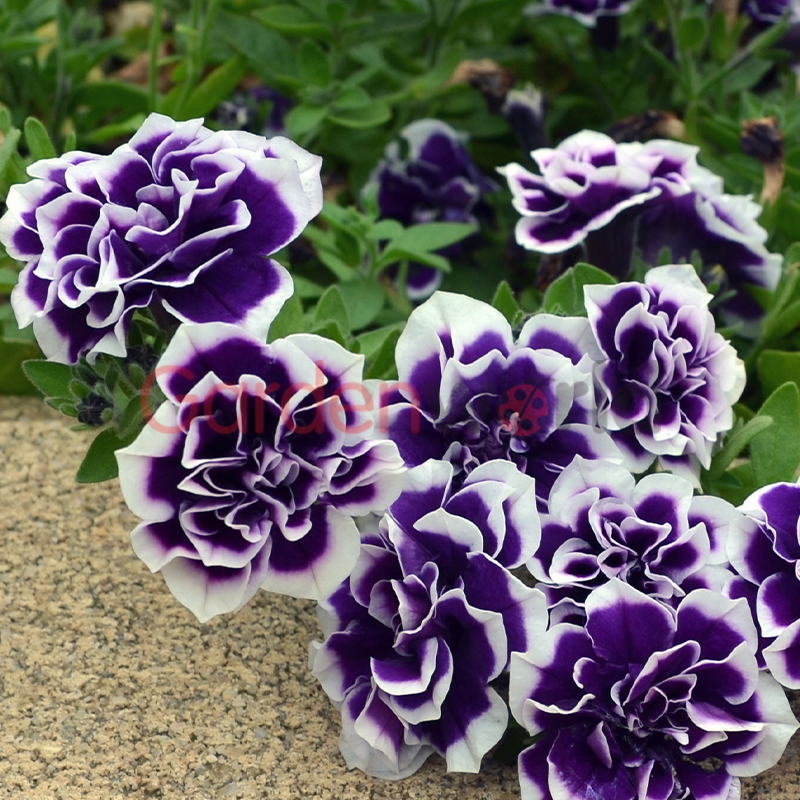
- Garden peas: Garden peas and petunias both like cool weather. The petunias help to deter pests, such as aphids, from the peas.

Main Content:
In addition to the vegetables listed above, there are many other vegetables that can be companion plants for petunias. Some other good options include:
- Carrots: Carrots and petunias both repel carrot flies.
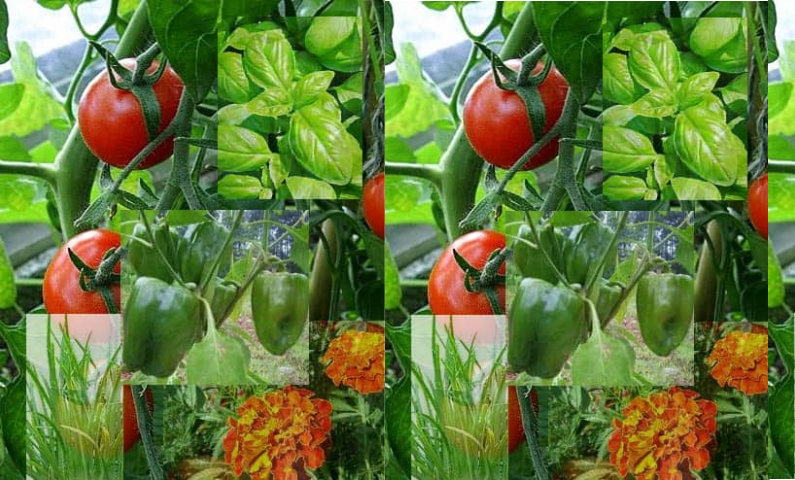
- Cucumbers: Cucumbers and petunias both attract pollinators.
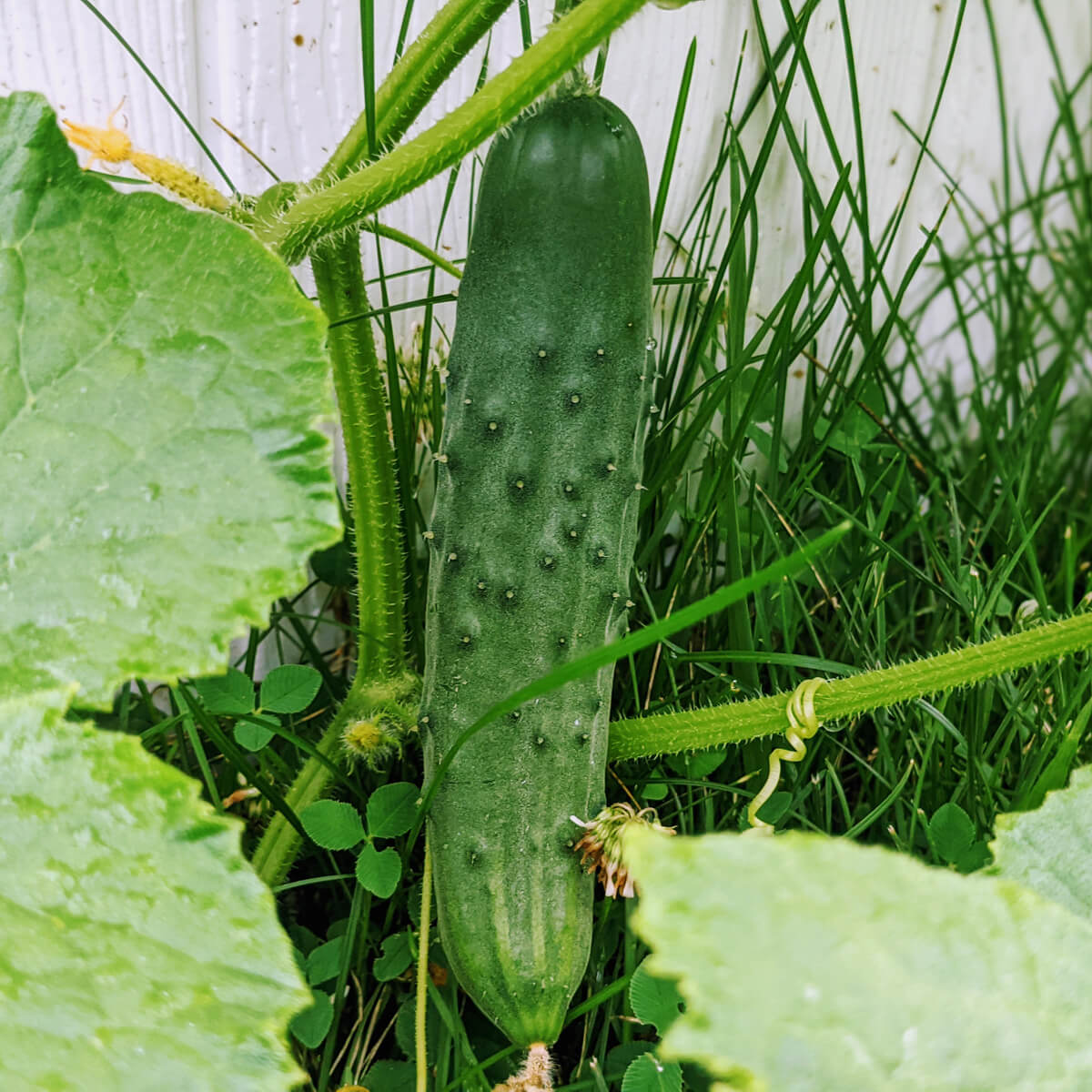
- Eggplant: Eggplant and petunias both repel aphids.
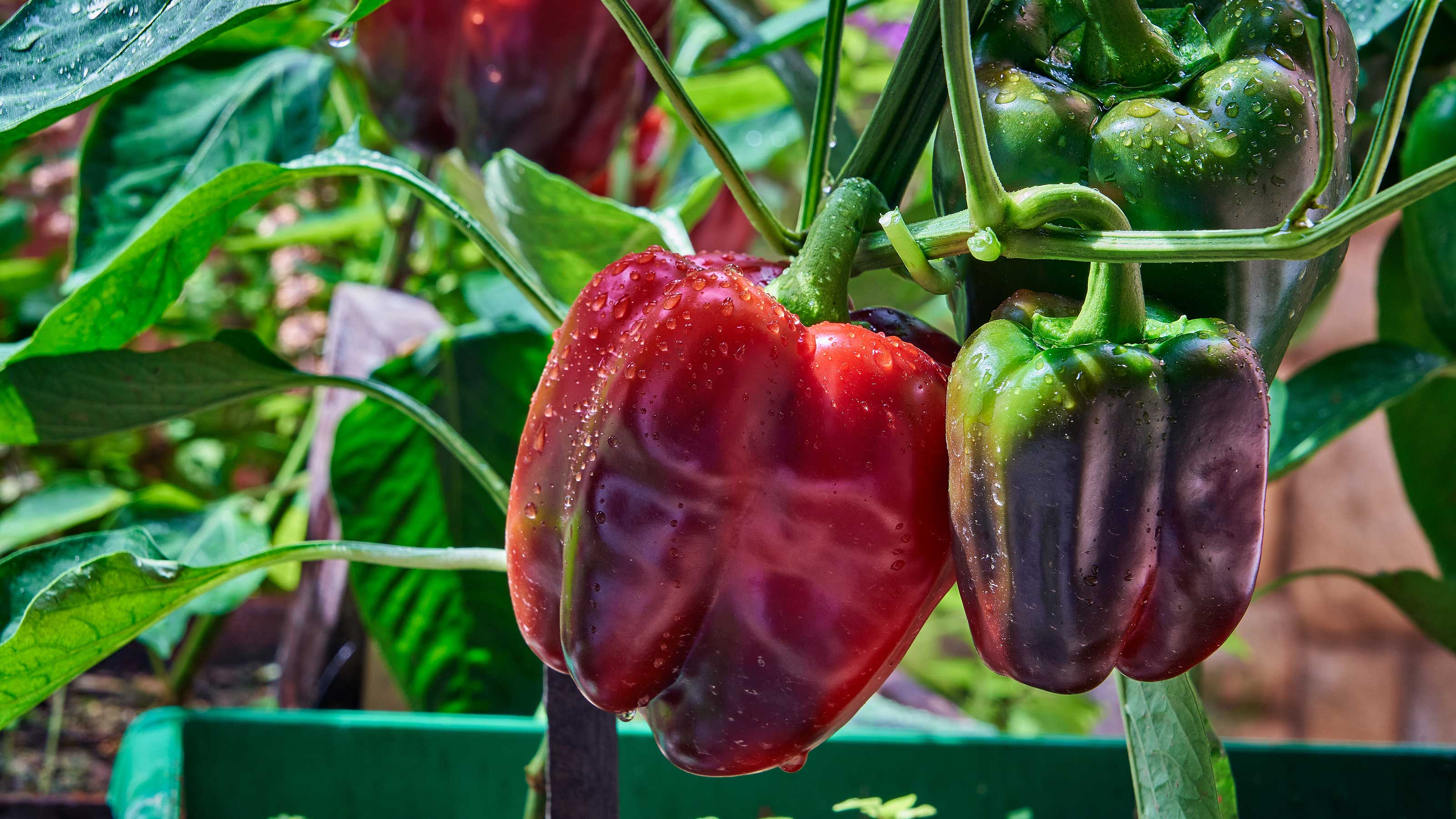
- Peppers: Peppers and petunias both repel whiteflies.
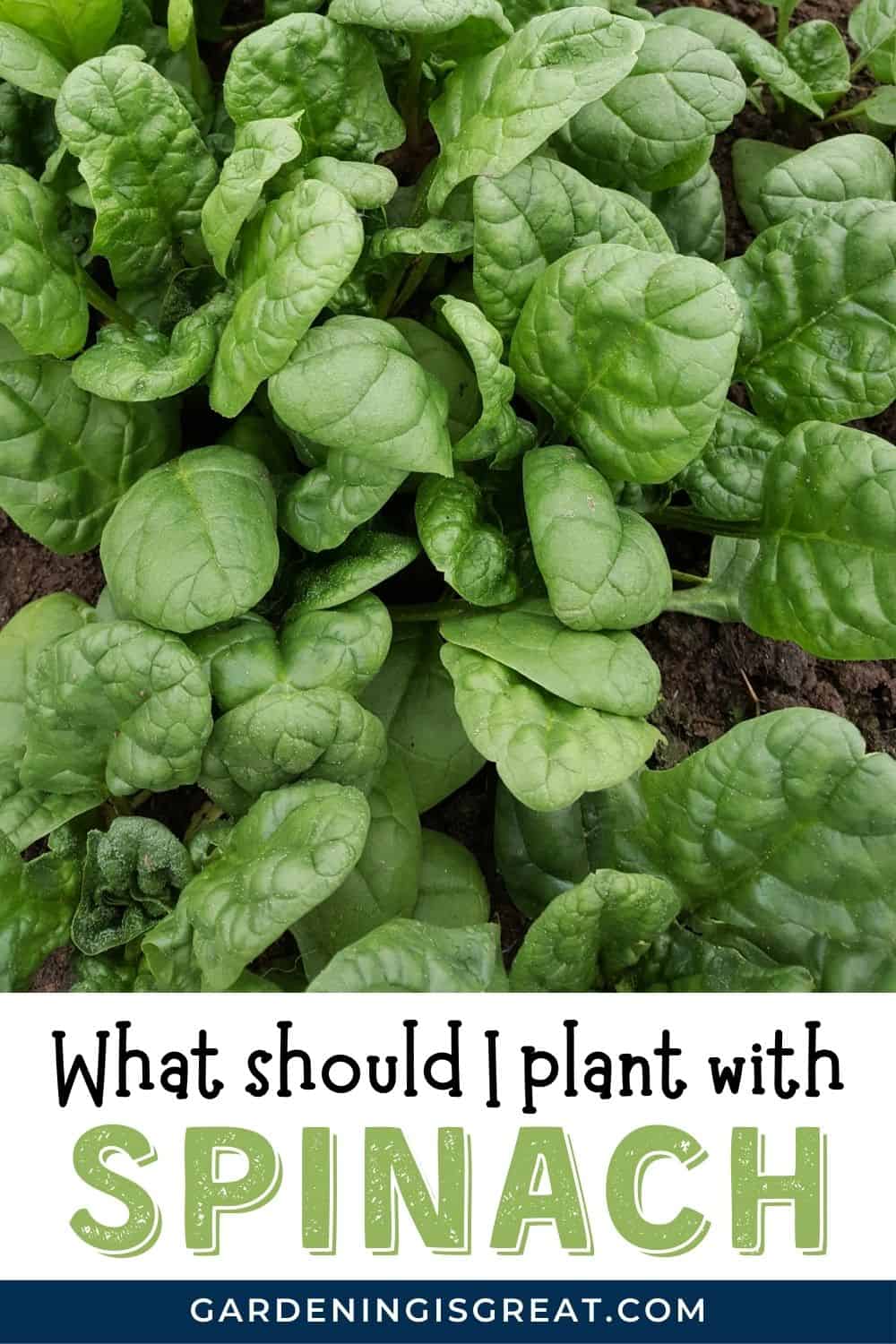
- Spinach: Spinach and petunias both repel slugs.
When choosing companion vegetables for petunias, it is important to consider the following factors:
- Planting requirements: The vegetables you choose should have similar planting requirements, such as sun exposure, soil type, and water needs.
- Pest and disease control: Some vegetables can help to repel pests and diseases that can harm petunias.
- Competitive nature: Some vegetables are more competitive than others and can crowd out petunias.
Conclusion:
By planting companion vegetables with your petunias, you can help to improve their health and beauty. The vegetables listed in this post are just a few of the many that can be beneficial to petunias. With a little research, you can find the perfect companion plants for your garden.
Petunias are a popular choice for gardeners because they are easy to grow and come in a wide variety of colors. But did you know that you can also plant them with vegetables? Some companion vegetables that work well with petunias include tomatoes, peppers, cucumbers, and beans. These vegetables help to attract beneficial insects, deter pests, and improve the overall health of your garden.
For more information about petunia companion vegetables, visit Home Gardening. This website has a comprehensive list of vegetables that can be planted with petunias, as well as tips on how to create a successful companion planting.
FAQ of petunia companion vegetables
- What are some companion vegetables for petunias?
Some of the best companion vegetables for petunias include:
Tomatoes: Petunias attract pollinators, which help to pollinate tomatoes. Additionally, the scent of petunias can help to deter pests that can damage tomatoes.
Cucumbers: Petunias can help to deter cucumber beetles, which can be a major pest of cucumbers. Additionally, the roots of petunias can help to improve the drainage of the soil around cucumbers, which can help to prevent root rot.
Lettuce: Petunias can help to deter aphids, which can be a major pest of lettuce. Additionally, the flowers of petunias can help to attract beneficial insects, such as ladybugs, which can help to control aphid populations.
Beans: Petunias can help to deter Mexican bean beetles, which can be a major pest of beans. Additionally, the flowers of petunias can help to attract beneficial insects, such as parasitic wasps, which can help to control Mexican bean beetle populations.
What are the benefits of companion planting petunias with vegetables?
There are several benefits to companion planting petunias with vegetables, including:
Increased pollination: Petunias attract pollinators, which help to pollinate vegetables. This can lead to increased yields of vegetables.
Reduced pest pressure: Petunias can help to deter pests that can damage vegetables. This can help to reduce the need for pesticides.
Improved drainage: The roots of petunias can help to improve the drainage of the soil around vegetables. This can help to prevent root rot and other diseases.
Enhanced beauty: Petunias add a touch of beauty to vegetable gardens. They can also help to attract beneficial insects, which can help to control pests.
What are some tips for companion planting petunias with vegetables?
Here are some tips for companion planting petunias with vegetables:
- Choose the right companion plants: Not all vegetables are compatible with petunias. Be sure to choose companion plants that have similar growing conditions.
- Plant petunias in the right location: Petunias need full sun to thrive. Be sure to plant them in a location that receives at least 6 hours of sunlight per day.
- Water petunias regularly: Petunias need regular watering. Be sure to water them deeply, but not too often.
- Fertilize petunias regularly: Petunias benefit from regular fertilization. Be sure to fertilize them every 2-4 weeks with a balanced fertilizer.
Image of petunia companion vegetables
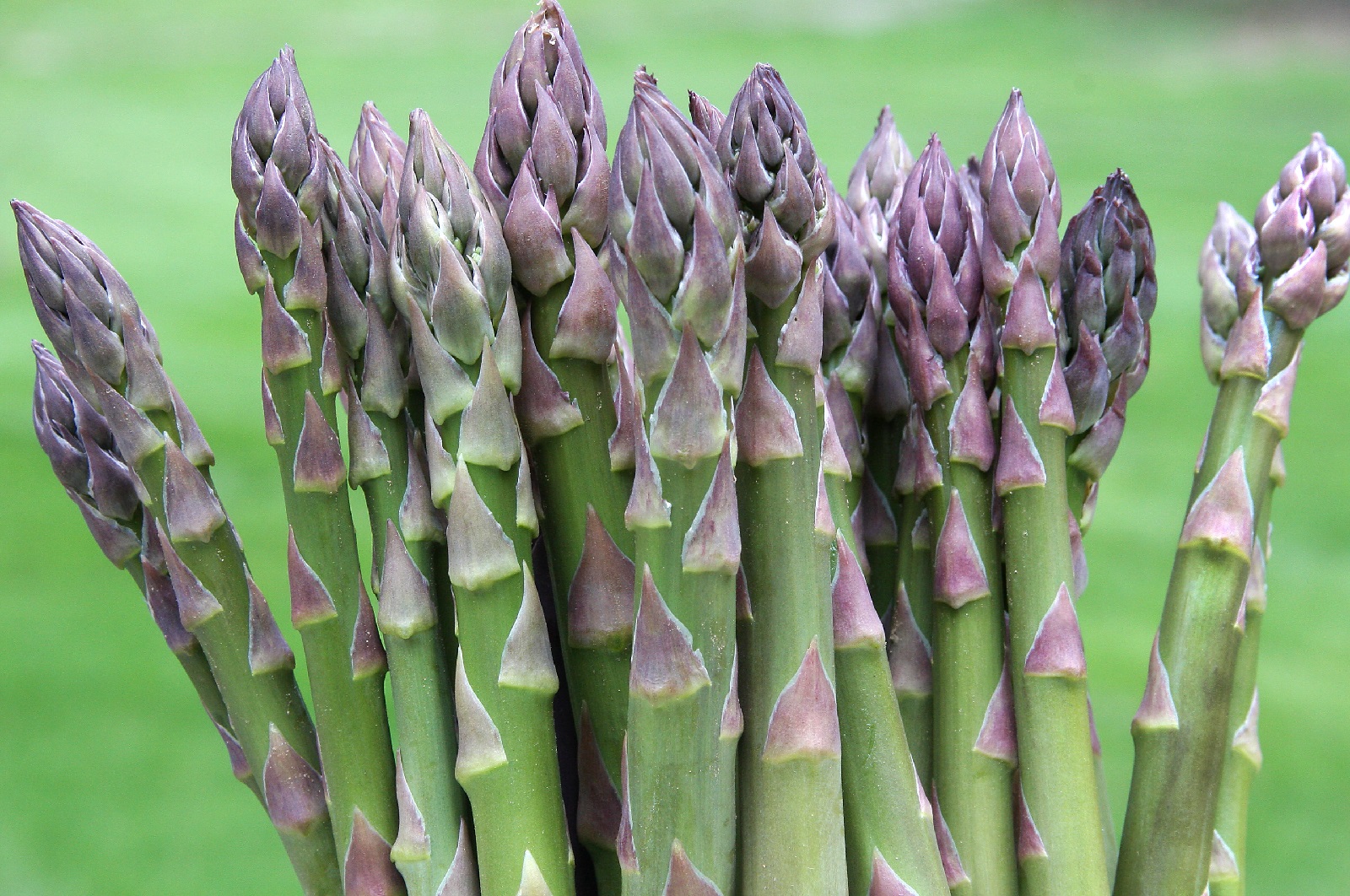
- Asparagus: Petunias can help to deter asparagus beetles from attacking asparagus plants.
- Beans: Petunias can help to attract beneficial insects that help to control pests that attack beans.

- Carrots: Petunias can help to repel carrot flies from attacking carrot plants.
- Cucumbers: Petunias can help to attract pollinators that help to pollinate cucumber plants.
- Eggplant: Petunias can help to deter flea beetles from attacking eggplant plants.
- Melons: Petunias can help to attract pollinators that help to pollinate melon plants.
- Peas: Petunias can help to attract beneficial insects that help to control pests that attack pea plants.
- Potatoes: Petunias can help to deter potato beetles from attacking potato plants.

- Tomatoes: Petunias can help to attract pollinators that help to pollinate tomato plants.

Post a Comment for "The Best Companion Vegetables For Petunias"