Hydrangea Perennials: The Easytogrow Flowers That Will Bloom For Years
Hydrangea Perennials: The Easy-to-Grow Flowers That Will Bloom for Years
Hydrangeas are one of the most popular flowering shrubs in the world, and for good reason. They are beautiful, easy to grow, and come in a wide variety of colors. If you are looking for a plant that will add a touch of elegance to your garden, hydrangeas are a great option.
In this blog post, we will discuss everything you need to know about hydrangea perennials. We will cover topics such as:
- The different types of hydrangeas
- How to choose the right hydrangea for your garden
- How to plant and care for hydrangeas
- How to deadhead hydrangeas
- How to prevent pests and diseases in hydrangeas
Types of Hydrangeas
There are many different types of hydrangeas, but the most common ones are:
- Bigleaf hydrangeas (Hydrangea macrophylla) are the most popular type of hydrangea. They have large, round leaves and large, showy flowers that can be pink, blue, or white.
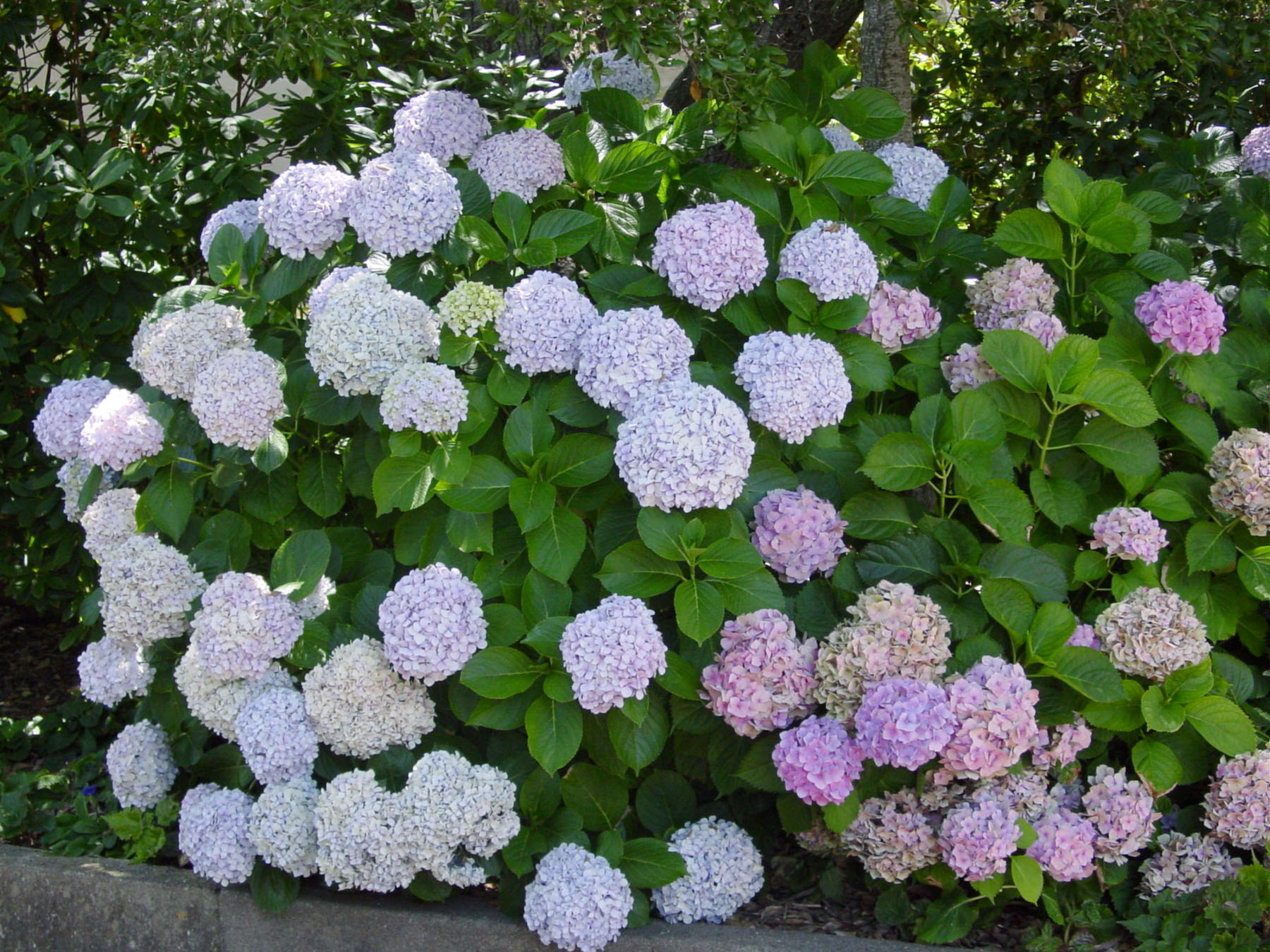
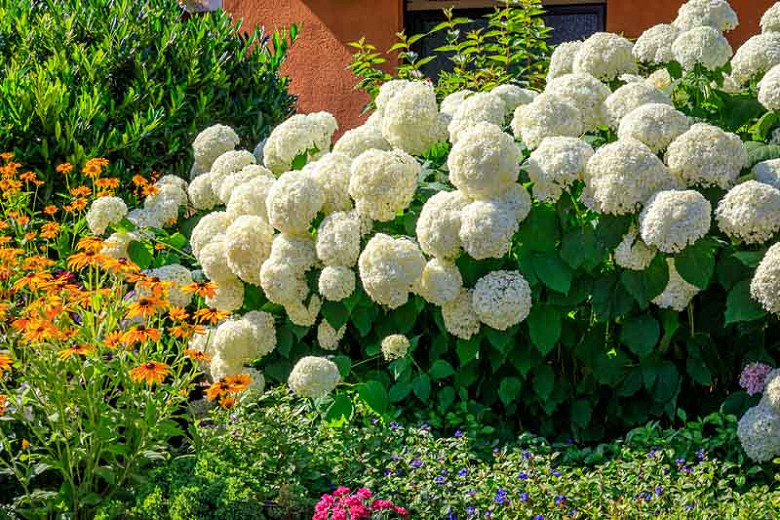
- Smooth hydrangeas (Hydrangea arborescens) are smaller than bigleaf hydrangeas, but they are just as beautiful. They have white or pink flowers that bloom in early summer.
- Panicle hydrangeas (Hydrangea paniculata) are tall, upright shrubs that produce large, conical flowers in late summer. They can be white, pink, or purple.
- Mound hydrangeas (Hydrangea serrata) are small, spreading shrubs that produce small, lacecap flowers in late summer. They can be white, pink, or blue.

Choosing the Right Hydrangea for Your Garden
When choosing a hydrangea for your garden, there are a few things you need to consider:
- Sunlight: Hydrangeas need partial shade to full shade. They will not do well in full sun.
- Soil: Hydrangeas prefer moist, well-drained soil. They will not do well in dry soil.
- Climate: Hydrangeas are hardy in USDA zones 3-9.
- Color: Hydrangeas come in a wide variety of colors. Choose a color that will complement the other plants in your garden.
Planting and Caring for Hydrangeas
Hydrangeas are easy to plant and care for. Here are some tips:
- Plant hydrangeas in the spring or fall.
- Choose a location that gets partial shade to full shade.
- Amend the soil with compost or peat moss.
- Water hydrangeas regularly, especially during the first year after planting.
- Fertilize hydrangeas in the spring with a balanced fertilizer.
- Deadhead hydrangeas after they have finished blooming.
Deadheading Hydrangeas
Deadheading hydrangeas is important for keeping them looking their best. It also encourages new blooms to form. To deadhead hydrangeas, simply remove the spent blooms. You can do this by hand or with a pair of scissors.
Preventing Pests and Diseases in Hydrangeas
Hydrangeas are generally resistant to pests and diseases. However, they can be susceptible to powdery mildew and aphids. If you see any signs of pests or diseases, treat them immediately.
Conclusion
Hydrangeas are beautiful, easy-to-grow flowers that will add a touch of elegance to your garden. With a little care, hydrangeas will bloom for years to come.
Hydrangeas are beautiful, versatile shrubs that can add a touch of elegance to any garden. They come in a wide variety of colors, from white to pink to blue, and can be grown in a variety of climates. If you're thinking about adding hydrangeas to your garden, Garden Wiki is a great resource for more information.
The website has a wealth of information on hydrangeas, including:
- How to choose the right hydrangea for your garden
- How to plant and care for hydrangeas
- How to prevent common hydrangea problems
- Stunning photos of hydrangeas in bloom
FAQ of hydrangea perennial
Question 1: What are the different types of hydrangea perennials?
Answer: There are many different types of hydrangea perennials, but some of the most popular include:
- Mophead hydrangeas: These hydrangeas have large, round flower heads that are made up of many small florets. They are typically blue, pink, or white.
- Lacecap hydrangeas: These hydrangeas have flat, lace-like flower heads that are made up of two types of florets: the outer florets are larger and sterile, while the inner florets are smaller and fertile. They are typically blue, pink, or white.
- Panicle hydrangeas: These hydrangeas have tall, upright flower spikes that are made up of many small florets. They are typically white, pink, or purple.
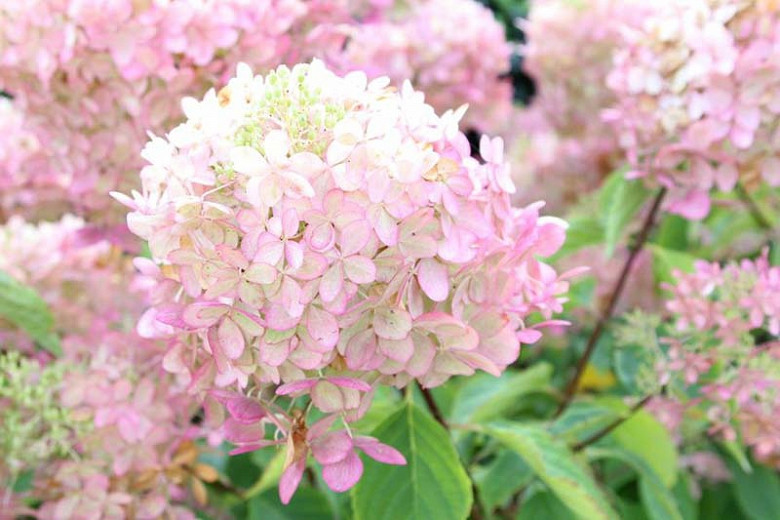
- Smooth hydrangeas: These hydrangeas have small, white flowers that are borne in clusters. They are typically found in moist, shady areas.
- Tree hydrangeas: These hydrangeas are large, shrub-like plants that can grow up to 20 feet tall. They have large, showy flowers that are typically blue, pink, or white.
Question 2: How do I care for hydrangea perennials?
Answer: Hydrangea perennials are relatively easy to care for, but they do require some basic care. Here are some tips on how to care for hydrangea perennials:
- Plant hydrangeas in a location that receives partial to full sun.
- Water hydrangeas regularly, especially during hot, dry weather.
- Fertilize hydrangeas in the spring with a balanced fertilizer.
- Prune hydrangeas in the late winter or early spring.
- Protect hydrangeas from frost in the winter.
Question 3: What is the best way to deadhead hydrangea perennials?
Answer: Deadheading hydrangea perennials is important to encourage new blooms. To deadhead hydrangeas, simply pinch off the spent flower heads. You can also cut the flower heads off at the base of the stem.
Question 4: How do I change the color of hydrangea flowers?
Answer: The color of hydrangea flowers can be changed by adjusting the acidity of the soil. In acidic soil, hydrangea flowers will be blue. In alkaline soil, hydrangea flowers will be pink. To change the color of hydrangea flowers, you can add aluminum sulfate to acidic soil or lime to alkaline soil.
Question 5: How long do hydrangea flowers last?
Answer: Hydrangea flowers typically last for about 2 weeks. However, the lifespan of hydrangea flowers can vary depending on the variety of hydrangea, the climate, and the care that the plant receives.
Image of hydrangea perennial
- Hydrangea macrophylla, also known as bigleaf hydrangea, is a popular perennial shrub that is known for its large, showy flowers. The flowers can be blue, pink, or white, depending on the soil pH.
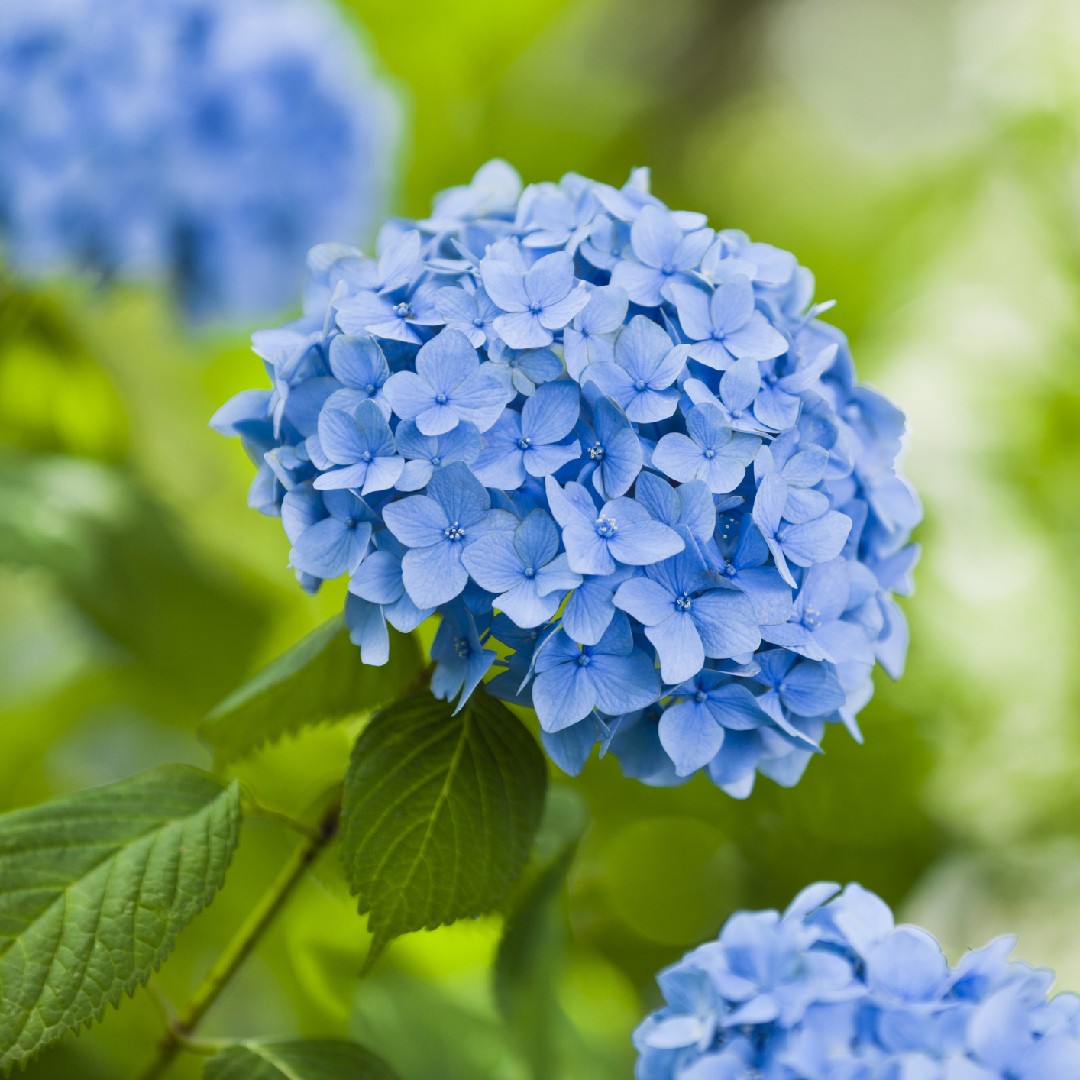
- Hydrangea paniculata, also known as panicle hydrangea, is a taller perennial shrub that produces large, conical flowers. The flowers can be white, pink, or purple.
- Hydrangea arborescens, also known as smooth hydrangea, is a smaller perennial shrub that produces small, white flowers. The flowers are often used in bouquets.
- Hydrangea quercifolia, also known as oakleaf hydrangea, is a deciduous shrub that produces large, white flowers in the spring. The leaves turn a beautiful red in the fall.
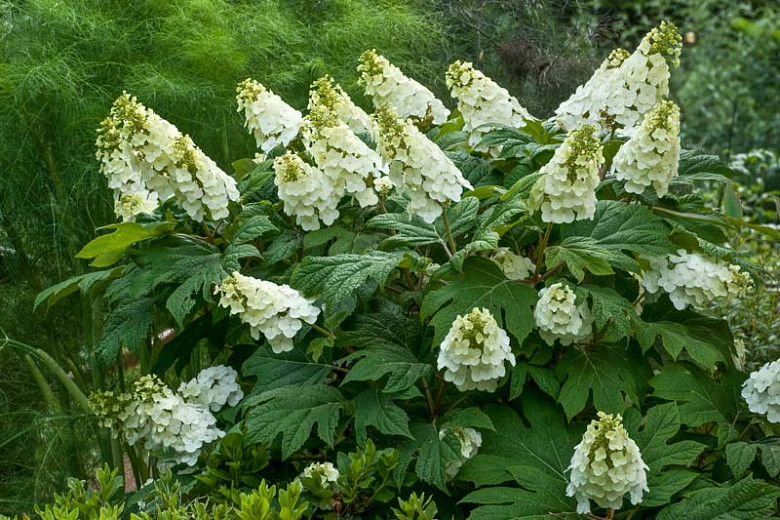
- Hydrangea serrata, also known as lacecap hydrangea, is a deciduous shrub that produces small, white flowers in the summer. The flowers are arranged in a lacecap pattern.


Post a Comment for "Hydrangea Perennials: The Easytogrow Flowers That Will Bloom For Years"